In 2025, key opinion leader (KOL) campaigns shifted from focusing on reach to building trust through more strategic, long-term relationships. Brands realized that reaching large audiences alone doesn’t drive meaningful engagement.
Instead, campaigns that prioritize authenticity, alignment with community values, and deeper relationships with KOLs have proven more effective.
At Maverick Indonesia, we saw firsthand how these strategies, focused on genuine connections with KOLs, led to stronger results. As we approach 2026, it’s clear that successful KOL strategies will focus on building trust, not just amplifying messages.
Why Reach Is No Longer Enough: The Case for Building Trust
In the past, the primary focus of KOL campaigns was reach. The larger the influencer's audience, the better. However, in 2025, high reach alone does not guarantee success. Audiences are becoming more selective.
They increasingly seek content that feels genuine and relatable. This shift positions trust as a critical foundation of any KOL strategy. In Indonesia, recent YouGov findings show that 54% of consumers trust peer or netizen reviews more than influencer content, highlighting how credibility is increasingly shaped by community voices rather than promotional messaging.
Honest user reviews are also considered the most influential type of content in shaping purchase decisions, reinforcing the role of peer validation and shared experiences in the decision-making journey.
This underscores that building trust is now a critical part of any KOL strategy.
Campaigns that focused on authenticity and community engagement consistently delivered stronger results, as observed in successful initiatives like Red Bull Dance Your Style 2025
(Disclosure: Maverick is retained as the PR consultancy for Red Bull)
Participation from within the dance community extended the conversation far beyond paid placements. Community-generated TikTok content alone reached more than 3.9 million views across top-performing posts from Motionz Society, one of our dance community that we invited, with high engagement rather than passive viewership.
By engaging relevant dance communities from pre-event workshops through to the main event, the campaign evolved into a cultural moment driven by organic dialogue. This demonstrates that when participation comes from within the culture itself, it generates stronger and more sustainable amplification than standalone influencer posts.
Brands that succeed in 2026 will need to choose KOLs who are not only influential but also align with their brand values and speak directly to the target community. Building trust will be key to achieving sustained and meaningful engagement.
Community-First Approach: Why Communities Drive the Conversation in 2026
In 2026, the focus will continue to shift toward a community-first approach in KOL campaigns. Audiences today are more connected to the communities they are a part of, and they trust content that is endorsed by these communities over traditional influencer messages.
When communities feel heard and represented, they are more likely to amplify and participate in the conversation.
A major trend that gained significant momentum in 2025 was the rise of User-Generated Content (UGC). According to Deloitte's 2025 Digital Media Trends survey, a shift has occurred where consumers are increasingly seeking content that aligns with their values, turning to UGC as a trusted form of endorsement.
Brands, in turn, have adopted a more community-centric approach in their campaigns, recognizing the power of UGC to drive authentic engagement and brand loyalty.
Content created by the community itself feels more authentic and relevant, leading to higher engagement and participation. This trend highlights that audiences not only consume content but also want to contribute and amplify it within their own circles.
Campaigns that focus on community participation consistently deliver stronger engagement and organic advocacy.
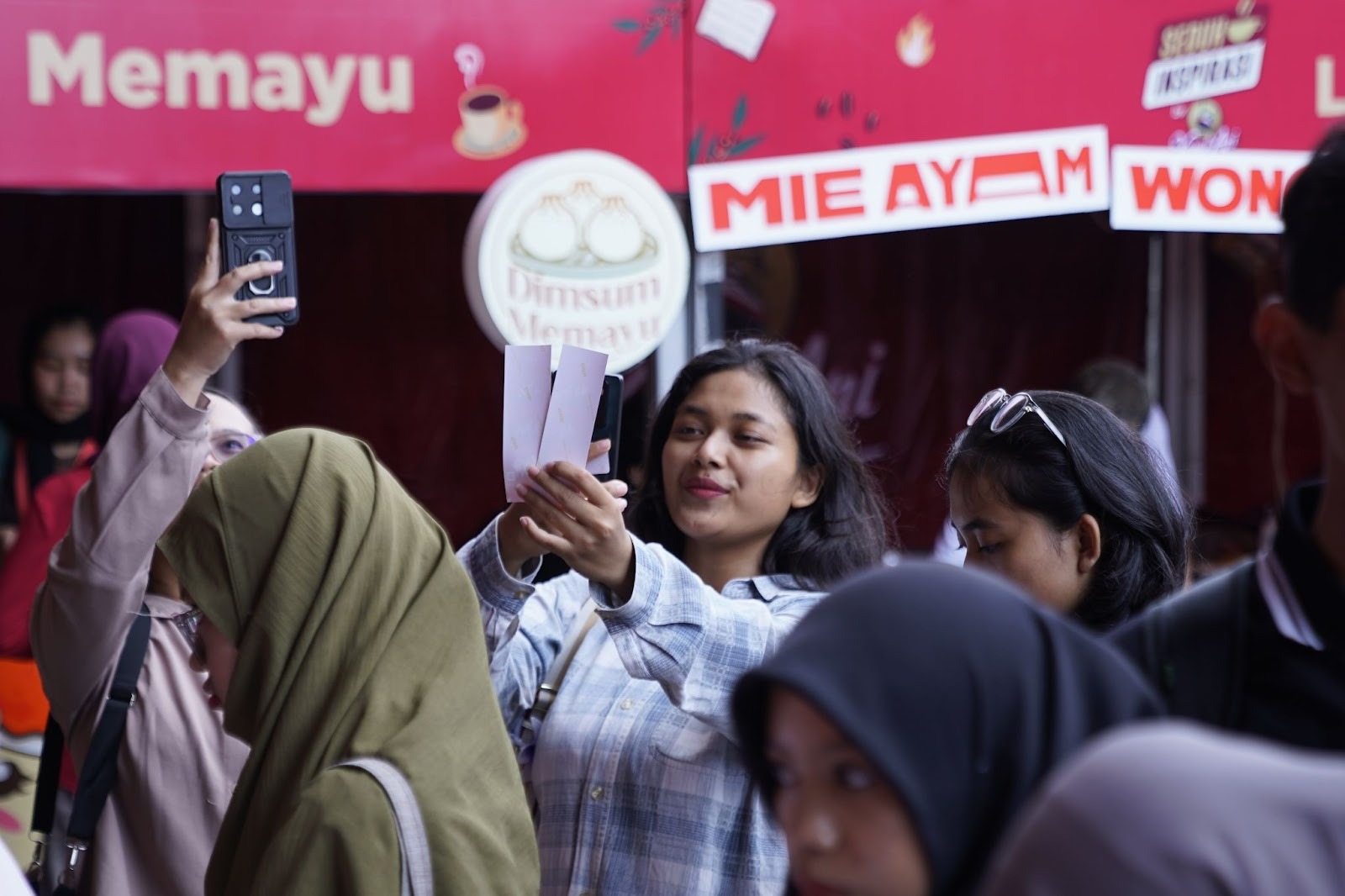
In Kapal Api Goes to Campus, (Disclosure: Maverick worked with Kapal Api on this project) the brand engaged student communities such as AIESEC UGM who were part of the campus ecosystem. Their involvement contributed to at least 34 organic UGC posts across Instagram and TikTok, created voluntarily by attendees and invited communities.
Content shared within these peer networks felt more natural and relatable, helping the campaign gain stronger relevance among students and extend conversations beyond planned placements. This aligns with research showing that UGC significantly increases engagement through authentic and participatory communication, and that such content plays a positive role in building trust and emotional connection with audiences.
Academic studies also indicate that interaction within online communities, where shared narratives and peer interaction shape social identity leads to deeper engagement compared with traditional top‑down messaging.
These campaigns were successful not just because of the influencers involved, but because they resonated with the communities they targeted.
Moving forward, successful KOL strategies will rely on building a strong connection between the brand and its target community. The role of KOLs will evolve from being just content creators to becoming true advocates who can engage their communities and drive genuine conversations.
The Role of Paid KOLs: Setting Direction, Building Credibility
While community-first strategies are crucial, paid KOLs still play a significant role in KOL campaigns. Paid KOLs can help set the direction for a campaign by introducing the message and building initial credibility.
They provide a sense of authority and trust that is essential in the early stages of a campaign.
However, the effectiveness of paid KOLs lies in their strategic placement. They should be positioned at the start of the communication funnel to establish the campaign's narrative.
Once the message is set, organic content and community-driven engagement take over to maintain momentum.
By combining the strengths of both paid and organic influencers, brands can create a balanced and effective KOL strategy. This hybrid approach ensures that campaigns not only start strong but also continue to build on authenticity and community trust over time.
Long-Term KOL Partnerships: From Transactional to Collaborative
Looking ahead to 2026, it's becoming clear that the old model of one-off KOL campaigns is losing its effectiveness.
Instead, brands need to focus on building long-term collaborations with KOLs who truly share their values and mission.
This shift isn’t just about increasing visibility; it’s about creating authentic relationships that grow and evolve over time.
When brands invest in these genuine partnerships, they’re able to craft a more consistent and meaningful narrative that resonates deeply with audiences. The success of these campaigns doesn’t come from simply amplifying messages but from creating lasting connections with both the KOLs and their communities.
Ultimately, in 2026, brands that embrace long-term collaborations will be the ones who stand out not just for what they sell, but for how they connect with their audiences on a deeper, more personal level.
What 2026 Has in Store: Trends to Watch in KOL Campaigns
The important trends to look out for this year are shaping the future of KOL marketing:
1. AI Integration in KOL Discovery
AI tools will play a central role in influencer selection. Brands will increasingly rely on data-driven insights to identify the right KOLs for their campaigns, making influencer discovery more strategic and effective.
2. Community-First Approach
Audiences are prioritizing connection over celebrity. Brands will focus on campaigns that foster active participation and authentic dialogue within communities, not just through influencers.
3. Selective KOLs
KOLs will become more selective in choosing partnerships. They will seek brands that align with their values and long-term goals, putting greater emphasis on trust and mutual respect in future collaborations.
4. Smarter, More Authentic KOL Strategies
2026 will see the rise of strategic, authentic KOL campaigns that prioritize meaningful relationships with both influencers and their communities, creating stronger and more lasting connections.
5. Experience-Driven Campaigns
Campaigns will increasingly center around experience-driven content, with KOLs creating organic, authentic narratives that resonate more deeply with audiences.
Building a Stronger Future with KOLs
As KOL marketing continues to evolve, brands that focus on authentic relationships, community engagement, and strategic partnerships will be the ones to thrive. 2026 will be a year where trust, relevance, and experience take center stage, driving deeper connections with audiences.
The most successful campaigns will move beyond mere amplification, instead fostering meaningful, long-term collaborations with KOLs who are true advocates for the brand. By embracing these trends, brands can build lasting influence and ensure their campaigns resonate for years to come.