Breast cancer patients in Indonesia tend to delay breast cancer treatment due to stigma and misinformation. CanHOPE and Parkway Cancer Centre emphasizes the importance of comprehensive understanding and holistic care in complementing effective cancer treatment.
Jakarta, 10 October 2024 – Despite being a leading cause of cancer-related deaths, breast cancer in Indonesia remains veiled in misinformation, fueling a dangerous stigma that hinders early detection and treatment. A survey by the Telecommunication Society (Masyarakat Telekomunikasi) in 2017 found that approximately 41.2% of false news is related to health information, including breast cancer.
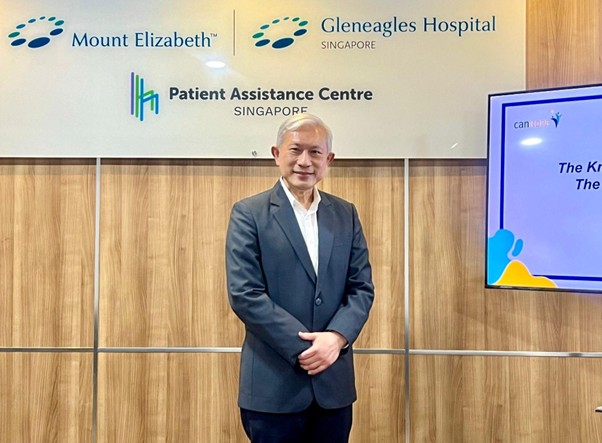
Caption: Dr. Khoo Kei Siong, Deputy Medical Director and Senior Consultant in Medical Oncology at Parkway Cancer Centre (PCC) during the media briefing session titled "The Known, The Unknown, and The New of Breast Cancer" hosted by CanHOPE in Jakarta on October 10, 2024.
This misinformation has fostered a stigma around breast cancer, contributing to the increased healthcare burden in Indonesia and now being recognized as a global risk. “This still rings true even until today. Many women often delay seeking early detection and treatment due to fears of medical procedures, a perceived loss of control, or the stigma associated with breast cancer,” explained Dr. Khoo Kei Siong, Deputy Medical Director and Senior Consultant, Medical Oncologist at Parkway Cancer Centre (PCC).
The stigma surrounding breast cancer includes beliefs that those affected will not live long, are considered unlucky, and are perceived as imperfect. This not only delays screening and treatment, but negatively impacts survivors’ self-esteem and body image. A common misconception is that mastectomy is the only option, further fueling fear. In reality, early diagnosis provides more treatment choices, such as lumpectomy
Addressing these challenges requires not only dismantling the stigma but also a more comprehensive approach. According to the Ministry of Health, around 43% of breast cancer-related deaths in Indonesia could be prevented through early detection, supported by encouragement from patients' immediate surroundings. “An effective cancer treatment must be complemented with a comprehensive understanding of the disease, along with holistic care that can provide an overall better patient journey,” Dr. Khoo added.
Cancer patients often experience grief, uncertainty, and fear of the future, regardless of the stage of their diagnosis. Therefore, holistic care—including a multidisciplinary approach from healthcare providers, counseling, nutritional advice, emotional support from loved ones, and comprehensive treatment—is crucial. Additionally, having a strong support group, such as a community of individuals facing similar struggles, can significantly ease the burden during treatment.
In line with this, CanHOPE, a non-profit cancer counseling and support service by PCC, emphasizes that addressing patients’ psychosocial health is just as important as their physical treatment. CanHOPE noted that as patients go through different stages of their journey, they face unique challenges that can be overwhelming. Hence, the organization believes it is important to help patients realize that they are not alone in their fight against cancer.
One breast cancer survivor shared how holistic care made her recovery journey more effective and hopeful. “I have learned that cancer isn’t something you have to face alone, but rather something to accept, so survivors don't end up isolating themselves. With support from family, friends, and support groups, it’s possible to recover and regain control over my life with a positive outlook. As I move forward, I know that I am not alone and remain grateful for the community that stood by me throughout my journey."
As patient care evolves toward a more holistic approach, Dr. Khoo believes these innovations will lead to advancements in targeted and effective medical therapies. “This marks a new era in breast cancer care, offering patients more personalized treatments and a brighter outlook for recovery,” he stated.
###
About CanHOPE
CanHOPE is a non-profit cancer counseling and support service provided by Parkway Cancer Centre, Singapore. The CanHOPE team is comprised of experienced and compassionate professionals collaborating with medical and allied health experts, to help patients and caregivers make effective and informed decisions in the treatment. The services and offerings include counseling, nutritional advice, rehabilitation, education, care coordination, and support group activities.
About Parkway Cancer Centre
Parkway Cancer Centre offers comprehensive cancer treatment with a highly skilled, multi-disciplinary team of consultant medical specialists, nurses, counselors and other paramedical professionals to meet the specific needs of cancer patients. The Centre uses the latest technologies in cancer treatment to help patients access proven innovative therapies for the best clinical outcomes. Committed to providing a comprehensive holistic treatment of cancers in a safe and comfortable environment, the Centre ensures that patients are well-attended to by caring and experienced professionals.