Word of mouth has always been one of the most familiar ways consumers discover brands. Influencers brought those recommendations into the digital world. Now, AI adds another dimension.
Maverick's 2026 whitepaper, Beauty in The Eyes of AI, analyzed 8,000 AI-generated answers and 63,286 citations across five AI platforms. The study found that social media, blogs, and community content accounted for 28.1% of citations in Google AI Overviews for general beauty-related questions. Interestingly, four of the ten most frequently cited Instagram profiles were individual content creators.
These findings point to an emerging opportunity for influencer marketing. Content that once primarily reached audiences through social media can also become part of the information AI references when people seek recommendations, compare products, or explore brands.
A Review Doesn't Need to Go Viral
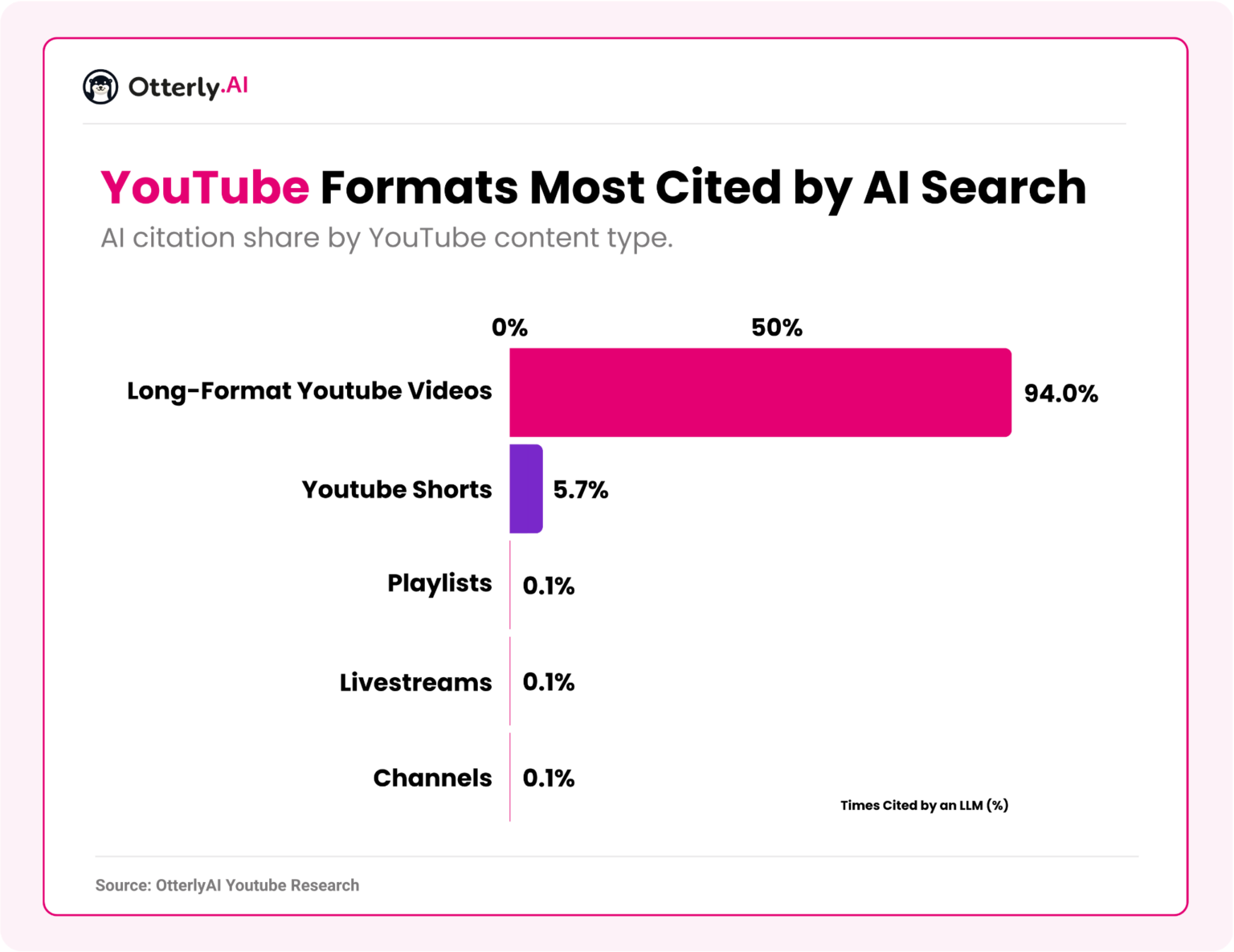
A creator doesn't need millions of views to appear in an AI answer. OtterlyAI's 2026 study found that 40.83% of YouTube videos cited by AI had fewer than 1,000 views. Meanwhile, 94% of YouTube citations pointed to long-form videos.
Take a beauty creator comparing two sunscreens. A quick endorsement tells viewers which one to buy. A detailed review explains the texture, white cast, and how each product wears under makeup. Those details can answer specific questions long after the campaign ends.
For brands, this offers another way to think about influencer content. Reach still matters, but so does giving creators room to share useful information that people can return to.
Who Else Is Shaping the Conversation?
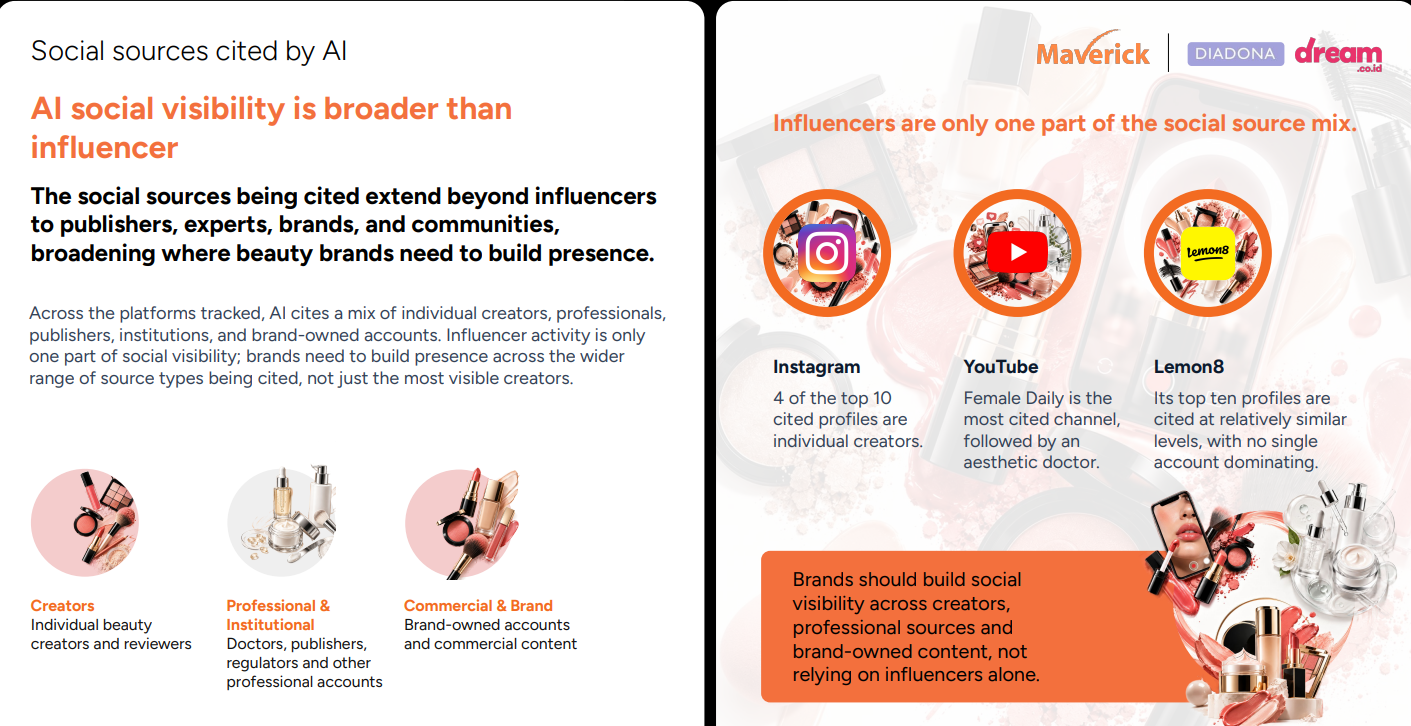
In Maverick's study, the most frequently cited YouTube channel was Female Daily, followed by a beauty doctor. Across general beauty-related questions, news and medical sources accounted for 46.6% of AI citations, compared with just 11.6% from brand-owned channels.
This matters for influencer marketing. Creators bring personal experience that product descriptions often lack. But a review about how a serum feels on the skin serves a different purpose from a dermatologist's explanation of its ingredients.
For brands, the opportunity lies in bringing these perspectives together. Give influencers reliable product information, encourage honest reviews, and support their content with credible sources that consumers can check.
Stop Briefing Influencers Like Ad Placements
“Mention three product benefits, show the packaging, and include the hashtag.” That's a familiar influencer brief. But does it answer what consumers actually want to know?
Can a lip tint survive lunch? Does a foundation oxidize after a few hours? These are questions creators can answer through firsthand experience, rather than repeating a brand's talking points.
Brands can start by identifying the questions consumers frequently ask, then give creators the freedom to address them honestly. Accurate product information still matters, but so does the creator's own experience.
The goal is to create content worth finding, even after the campaign ends.
Make Sure the Story Holds Up
An influencer can tell a compelling story about a product. But what happens when the brand's website, media coverage, or customer reviews tell a different one?
Our research shows that AI draws on information from many sources, including news articles, expert opinions, retailer listings, and social content. A single influencer campaign is only one part of that picture.
We believe brands need to look beyond individual campaigns and make sure their messages hold up across channels. That doesn't mean giving creators a script. It means providing accurate information, encouraging honest experiences, and making sure product claims are consistent wherever they appear.
Influencers can start the conversation. But what AI hears depends on the bigger story being told about your brand.