Cave in or Double Down?
This is the dilemma that many brands face in an environment swirling with cancel culture, righteous indignation and woke values.
Converse certainly faced this when it aired its Chuck 70 sneakers advertisement featuring Karina from aespa, a South Korean K-pop girl band. The advertisement was meant for the Asian market but things are so interconnected these days that what gets shown in Asia gets seen on the other side of the world as well.
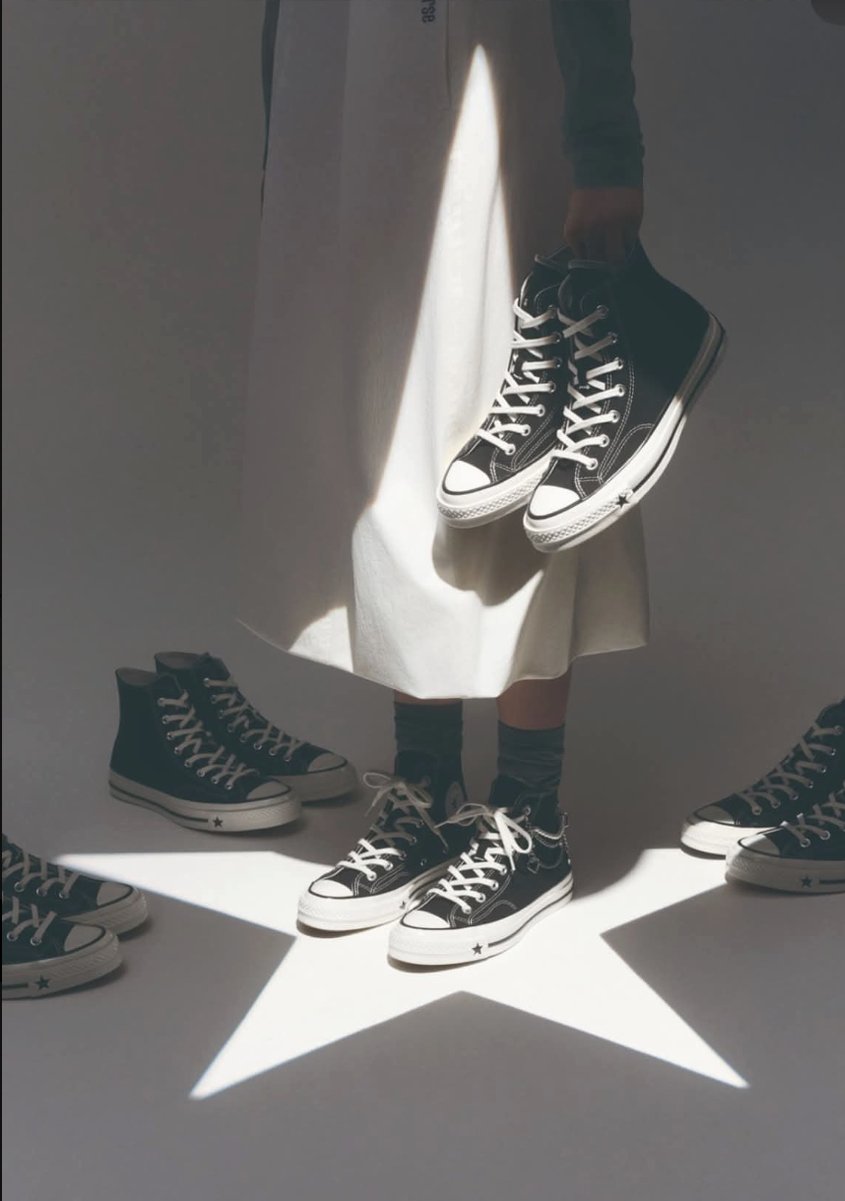
The advertisement showed Karina wearing a white skirt, holding black shoes at her side. Controversy erupted when critics said the lighting made part of the skirt resemble a Ku Klux Klan (KKK) hood, while the dangling shoes evoked the feet of a lynching victim.
The reaction then spread online, with some calling for a boycott and questioning how the image passed review. Others said the interpretation depended on cropping and denied that the imagery was intentional.
What did Converse do? It caved in big time.

It not only removed the advertisement but apologized, saying it understood why the image was upsetting and that it had “got this wrong.” What did this “contrition” achieve?
Not much. Some critics welcomed the removal but were still dissatisfied. They wanted Converse to explain how the image passed its approval process. US civil rights attorney Lee Merritt argued that promising to “do better” was insufficient if the problem had not been caught before publication.
Calls for a boycott and for accountability continued. Its action did not settle the debate and satisfied no one. Plus it did not enhance Converse’s brand as standing for anything or having purpose.
We’ll never know, but it's worth doing thought experiments on what would have happened if Converse had doubled down on its decision to air the advertisement.
If it did it would have dismissed its critics, saying that if you crop a photo in imaginitive ways, your imagination can start playing tricks on you. Dali’s Galatea of the Spheres is an example.

Cropped, what you see looks like atoms.

Converse could have explained that there was no ill intent, the decision-making process to use the photographs for the advertisement was sound, and a brand cannot go through life and business in fear of over-imaginative critics.
If it had done so, Converse would continue to be berated by its critics. But so what? "Haters gonna hate," as the saying goes. Converse would, however, also demonstrate to its fans and consumers that it is a brand that stands up for what is right, refuses to apologize in the face of unreasonable accusations and demands, and will continue serving its consumers according to principles and purpose.
Here’s a photo of the advertisement, the full image and the cropped version to help you decide whether Converse did the right thing.