The controversy surrounding Bali-based running community Entourage shows how quickly an operational issue can become a reputational crisis. Speaking to Marketing-Interactive, Agnes Karina Rosari, Partner and Crisis Management Lead at Maverick Indonesia, explained why brands that position themselves as community-first must ensure their systems, policies, and decisions consistently reflect that promise.
Agnes viewed the incident as a brand failure from the start. People hold an organisation responsible for the systems it creates, including registration processes, membership rules, and decisions made through digital platforms.
For community focused brands, cultural awareness must guide how those systems are designed. Policies should reflect the needs of the people around the brand and protect its ability to operate with public trust.
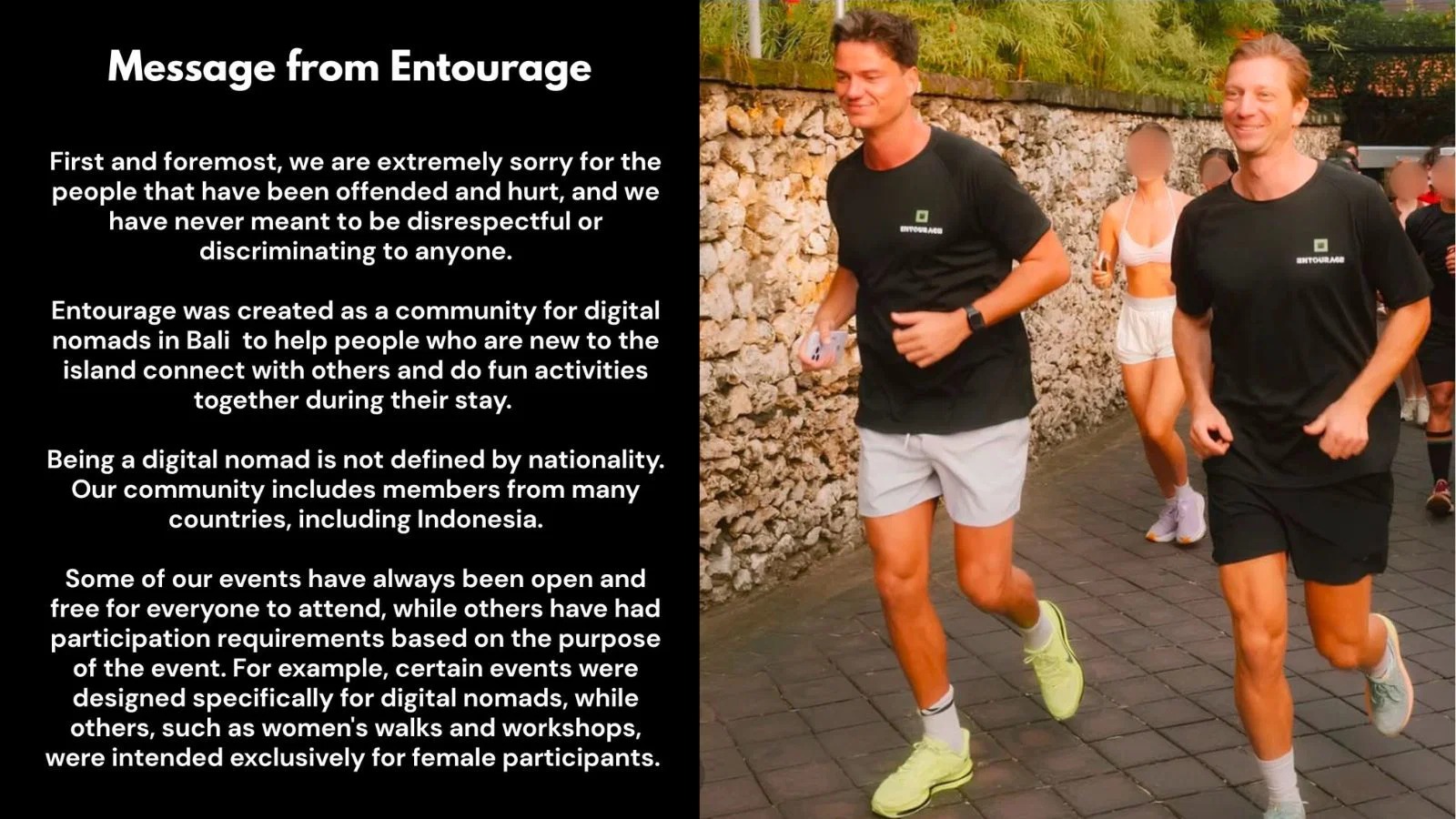
The Bali context made this responsibility especially important. The incident became linked to wider concerns about access, privilege, and the relationship between expatriate groups and local communities.
Agnes also highlighted the power of a dominant crisis narrative. Once Entourage was seen as racist, elitist, and hostile to local people, every statement it made was interpreted through that perception.
This is why brands need to understand the social tensions and public narratives around them before an issue emerges. Participation rules should serve the purpose of the community and should not exclude people based on personal identity.
Community marketing creates a sense of belonging, which also raises questions about who belongs. Participation criteria should be based on the community’s objectives, not a person’s identity.
Read Agnes’s full perspective in the Marketing Interactive article.