When Virality Becomes Vulnerability: A Reminder to Communications Practitioners
Prilly Latuconsina were surprised when she activated an #OpenToWork badge on Linkedin and announced she was exploring sales and marketing roles outside the entertainment industry.
Why AI Broke Siloed Measurement And What Comes Next
If 2025 taught us anything, it's that we need to look at change through two distinct but interconnected lenses: the technology, AI platforms and tools that are accelerating exponentially and us, the humans, whose behavior in searching, consuming, and processing information has been fundamentally transformed.
Lately, however, a new and important stakeholder that threatens to give all the established players a run for their money has come to town: Generative AI.
It’s a stakeholder because it influences the other stakeholders, particularly consumers. Whether we like it or not, people have started listening to and trusting it. It also has its own peculiar preferences on what it considers important.
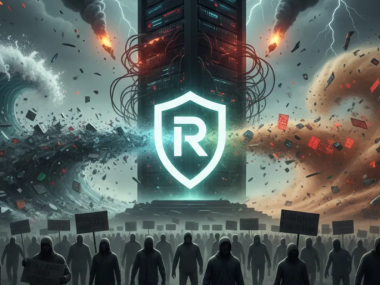
The nature of managing crises has changed. Yet most crisis management professionals are stuck with an out-dated model of crises management. The conventional view of crises management centers on the responses to discrete, singular events. It's been about containing the fallout by controlling the narrative through words and deeds.
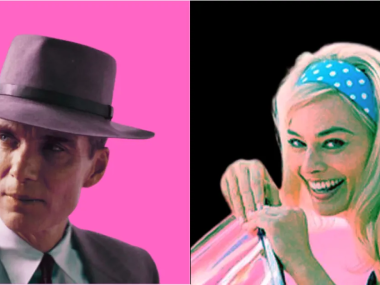
#PRbyTheNumbers: Oppenheimer’s Rise in the Barbenheimer Era
Since the beginning of July, “Barbenheimer” has become one of the hot topics covered by the media. Barbenheimer is essentially a term merging the movie titles two box office hits, Barbie and Oppenheimer. These movies are as different as can be. Barbie was ostensibly a fantasy story about fashionable dolls but it was really a...
5 Simple Ways to Kickstart Measuring Communication Effectiveness (Tips from Indonesia’s AMEC Awards 2025 Winners)
The five - Asuransi Astra, Astra International, Pertamina, KPP Mining and Maverick Indonesia, all took home global honors at the 2025 AMEC Awards, a record for the PR industry in Indonesia.
What did they do differently? Simple, they shifted from measuring activity ("Look what we sent out") to measuring impact ("Look how we changed people's minds").
The Remake Of The Press Release In The Age of AI Search
Longer headlines and multimedia releses are in as communicators adapt to LLMs. Headlines in press releases are getting longer because of AI, says the Global State of the Press Releaser report that was recently published by press release distribution network PR Newswire.
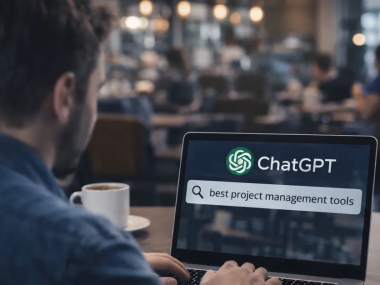
Curious how ChatGPT decides which products deserve a place in your cart? This article breaks down Shopping Research, a new AI powered discovery layer that turns loose shopping questions into focused buyer guides and curated shortlists. Learn how this changes early product discovery and why brands with clear, credible product storytelling are more likely to appear in the shortlist that shapes the final decision.
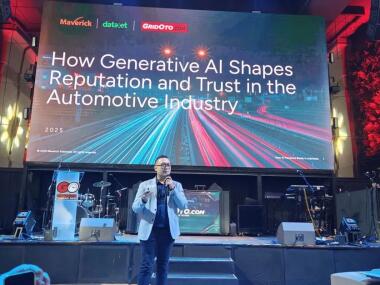
Maverick at GridOto Awards 2025, How Generative AI Is Rewriting Brand Reputation
Discover how Artificial Intelligence is redefining reputation and trust in Indonesia’s automotive industry. Maverick Indonesia, in collaboration with DataXet and GRID Network, reveals how AI platforms like ChatGPT, Gemini, and Perplexity interpret, cite, and rank automotive brands shaping consumer decisions in the Zero-Click era where credibility, not visibility, drives influence.
Visibility in the Age of AI: Why Being Selected, Cited, and Trusted Matters More Than Ever
In this new landscape, being found is no longer entirely in your control. Visibility is now defined by how AI models perceive and assemble your digital footprint, what they choose to include, what they leave out, and how they summarize your credibility. It’s not just about showing up; it’s about being represented accurately and trusted enough to be cited.
Why AI Visibility Will Redefine Brand Reputation in 2026
Whether you call it GEO, AIO, or SEO, one truth remains: visibility defines credibility for better or worse. In today’s fast-evolving digital landscape, the question is no longer “Can people find your brand?” It’s “Can AI recognize, recommend, and represent it accurately?”