By: Vitorio Mantalean, Devi Ratnasari, Inezka Ramadhani, and Ambarwati Dwilo
Maverick recently sent a team of four consultants to help manage the communications around Red Bull Cliff Diving World Series in Bali. Their challenge was to get the attention of Indonesians and the Indonesian media, most of whom have not heard of the sport of cliff diving before. They succeeded not only securing 300 media articles and over 1,800 social media posts, accumulating a large number of impressions but also a surprising outcome when one of the team visited the remote parts of Bali after the event. This is their account of how the team strategized, engaged with journalists and KOLs and responded when plans had to be suddenly changed because of unforeseen circumstances.
First, Sell the Story. Then the Sport.
Team leader Devi Ratnasari:
“It was exciting being asked to lead the Maverick team for the Red Bull Cliff Diving World Series event in Bali, but my mind immediately went into overdrive with a puzzle we had to solve: how to sell a sport that is obscure to most Indonesians.”
“The Red Bull Cliff Diving World Series is huge globally, but in Indonesia, cliff diving is virtually unknown. Unlike football, badminton or even MotoGP with Veda Pratama giving fans a local hero to cheer for.
“It was a sport where 24 international athletes from 14 countries leapt from more than 20 meters into open water at frightening speed. Spectacular? Absolutely. Familiar? Not even close.”
At Maverick we believe that to be an effective communicator you have first to be a good listener. “So we sat down with editors and journalists and asked what would actually help them cover a niche sport with very little local familiarity.
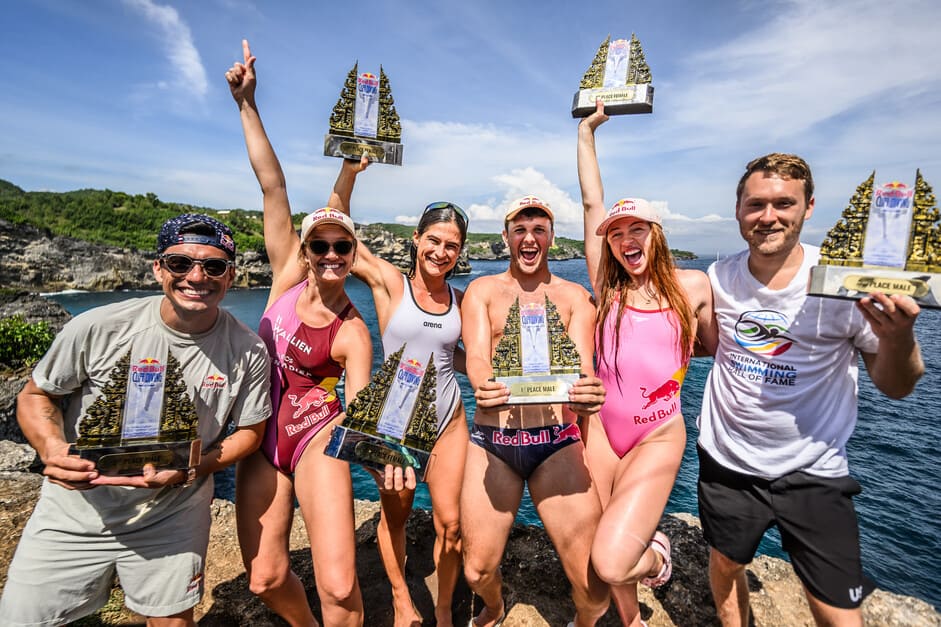
“Their answer was not ‘please explain the scoring system’. It was: tell us why this matters here that helped shape our media strategy. Instead of flooding journalists with technical details, we focused on angles that could travel: Indonesia’s first time hosting the series, the role of the Navy, the safety discipline behind an extreme sport, the athletes’ awe of Nusa Penida, and the sports tourism potential of bringing the world’s best cliff divers to Bali.
We may have sent only one press release a month, but the real work happened around it: media discussions, remote support, quick context, and making sure journalists had what they needed.
That is the part people often miss.
You do not build media relationships by appearing only when you need a headline, then disappearing once the link goes live.
You build it by being useful before you are urgent.
Give Creators a Role, Not a Script
KOL and Communities Specialist Inezka Ramadhani:
This could have easily become a standard engagement exercise. Invite creators. Give them talking points. Ask them to upload. Count the reach.
Clean. Predictable. Forgettable.
But people can smell a scripted promotional ad from a mile away. Trust is the ultimate currency, and trust does not come from perfectly polished captions but authenticity. It comes from people, especially creators, experiencing something real.
So instead of asking creators to merely attend and post, we gave them roles.
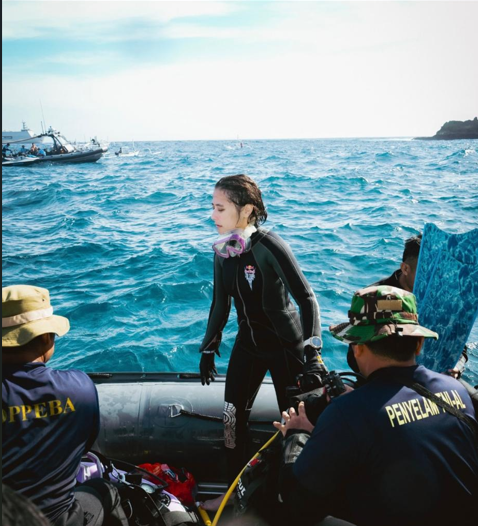
Seasoned photojournalist Peksi Cahyo shadowed Australian athlete Xantheia Pennisi, capturing the quiet moments behind the adrenaline. Prilly Latuconsina stepped into the role of rescue diver. Ditto Percussion joined the team in the water with his jet ski. David John Schaap walked the athletes’ access routes. Ainur Rohman looked beyond the dives to the human stories behind them. Apnea Culture–a freediving school and community–captured the competition from beneath the surface.
Different people. Different access. Different stories.
That was the point.
The goal was never to create identical content. It was to create authentic perspectives that could reinforce each other across platforms.
When the approach is right, the dynamic changes. KOLs are no longer just being offered a project. They begin to see the opportunity. They ask questions. They offer more than what was written in the brief.
That is when the content starts to breathe.
Nature Does Not Read Rundowns
Strategist Ambarwati Dwilo:
In cliff diving, there are so many things that can change to throw you off your most carefully laid plans.
This is because nature is the ultimate decision maker. Months of preparation can still meet a hard stop from the ocean, the rain, the current, or the rocks. That is the nature of the sport.
The original plan involved multiple iconic locations across Bali, including Kelingking Beach and Kroya Waterfall. Both locations had been announced to the world.
Then conditions changed.
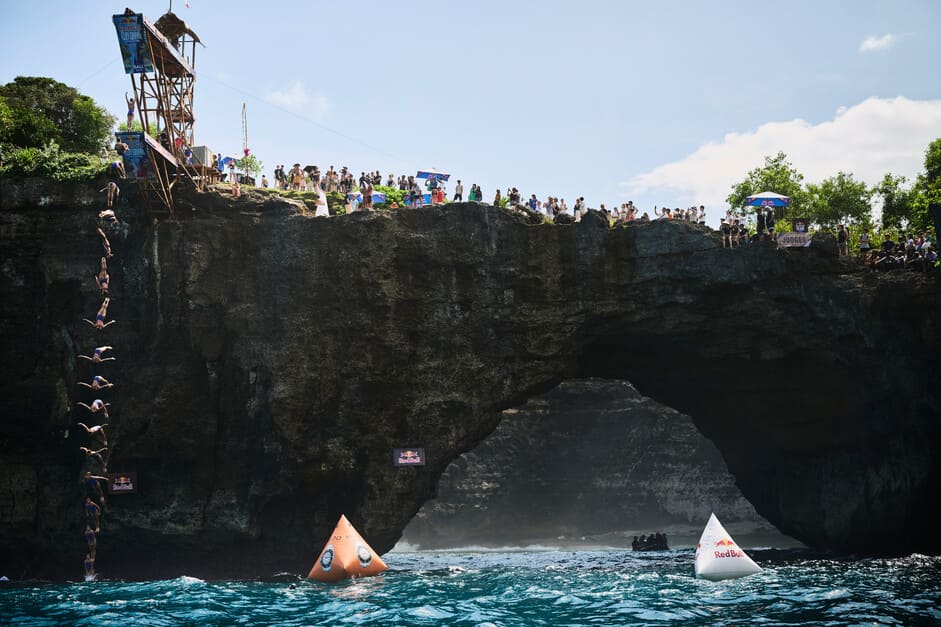
Just days before, heavy rain brought sediment into the Kroya Waterfall pool, making the ground unsafe and unideal for competition. High and strong tides shifted the platform plan from Kelingking Beach to Broken Beach. The schedule moved. Roles changed. The press conference had to be brought forward.
In most events, that would sound like a crisis.
In cliff diving, it is simply what happens when the arena is alive.
The communications job was not to pretend nothing changed. It was to make sure everyone understood the same principle: safety comes first. Always.
That clarity helped the team move. It helped the media understand the decision, creators adapt their stories, and the audience focus on the event, not the operational scramble behind it.
Maverick has often been described as a finishing school for PR consultants, and not because the work is easy. The culture demands critical and strategic thinking, executional excellence, and client servicing that does not shortchange the client or ourselves.
This project tested all of that. The locations changed. The weather changed. The schedule changed. But the team kept moving with clarity, discipline, and heart.
During the event, one of our KOLs said something that stayed with me. He could see the team was exhausted, but what showed instead was professionalism, high spirit, and genuine care. Everyone knew their role. Everyone carried it well. And when someone needed covering, someone else stepped in without drama.
As someone supervising the team, I do not think there is a higher endorsement than that. The campaign did not work because one person had the perfect idea. It worked because the people involved trusted each other enough to adapt, support one another, and protect the standard when the pressure was at its worst.
The Real Win
Project PIC Vitorio Mantalean:
Looking back, the biggest achievement was not only the coverage, the posts, or the impressions.
Those mattered. Of course they did.
But the real win was hearing ordinary people in Bali talk about cliff diving like it had become part of the island’s story.
After a grueling week of non-stop work at the Red Bull event I decided to take a bit of R&R in the remote parts of Bali, in the North, East and West of the island.
“Been in Bali for two weeks, Bli. The first week was pure hustle, and the second was... well, still working, but on a road trip.”
That became my standard answer whenever locals struck up conversations with me while I was hunting for babi guling, serombotan, mujair nyat-nyat, and other hidden culinary gems far from tourist-heavy south Bali.
Then came the question: “What were you working on last week?”
“The Red Bull event, Bli,” I’d say expecting their attention to drift away.
Instead, their eyes would widen: “Oh, the cliff diving one!”
From incense sellers near Mount Batukaru to homestay owners near Mount Agung, they knew about the event and hungered for more information. They asked about the athletes, the height, and why the Kroya Waterfall round had been moved.
Over seven days, I probably had no fewer than 15 of those conversations. Not a research sample. Not a dashboard. Not something you would proudly put in a KPI table.
But honestly? It felt more rewarding than staring at the campaign report: more than 300 media articles, over 1,800 social media posts, and the huge number of impressions.
We are talking here about a real outcome. Not abstract things like coverage but transforming the awareness and interest of real people. We even had secured their attention, held it and converted it to curiosity. That’s gold dust to a PR professional in the Attention Economy.